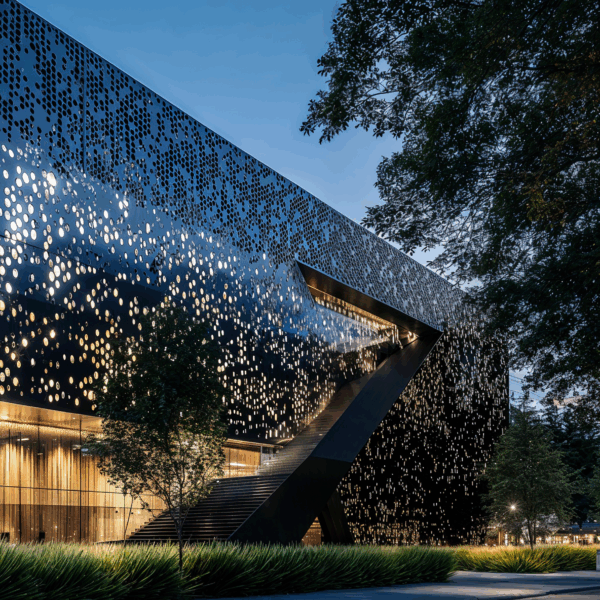
We live in a city of vertical hustle. Glass towers scream ambition. Streets pulse with transactional energy. The short film “The Sleeping Respite” proposes a radical counter-space: an architectural intervention where the highest purpose is not output, but intake. This is not a spa. It is a secular sanctuary for the singular, rebellious act of the afternoon nap.
The film enters this space with a quiet, wide-eyed gaze. The design is avant-garde, but its intention is ancient. It presents a grove of individual hanging pods, not as clinical capsules, but as soft, textured cocoons. The palette is a whisper—natural hues of linen, sand, and muted wood—interrupted only by deliberate, gentle pops of color, like a single calming note held in a quiet song. Cove lights don’t illuminate; they emanate, a soft glow that seems sourced from within the walls themselves. This is biology, not decor. The space is engineered to lower the heart rate the moment you cross its threshold.
But “The Sleeping Respite” is wise enough to know that even the most perfect solitude is deepened by shared vulnerability. Our guides are a couple. The camera, an unobtrusive ghost, follows them as they move through this forest of pods, their hands finding each other. They choose a pod, not as an escape from one another, but as a return to a simpler, more physical language.
The kiss is gentle. The cuddle deepens. This is the film’s core thesis: in a world that commodifies connection through screens and schedules, true intimacy might be rediscovered in synchronized stillness. The architecture facilitates not isolation, but a protected togetherness. The pods cradle them, and they cradle each other. The city’s roar is replaced by the sound of breath.
Just as this portrait of private repair feels complete, the film introduces its masterstroke of service. The camera dollies back to reveal a stunning Asian attendant, a figure of serene, non-intrusive care. She carries a tray of vibrant fruit—a shock of natural color and sugar offered not as a distraction, but as sustenance for the reawakening body. Her presence is not a interruption, but a continuation of the space’s logic: every need is anticipated, so you may remain perfectly passive.
They accept the offering. They sit up. They walk out.
The final shot holds on their exit—not drowsy, but restful. Not escaping the city, but recalibrated for it. They are walking batteries, quietly humming with a full charge.