The Blue Hour Drift on Vimeo.
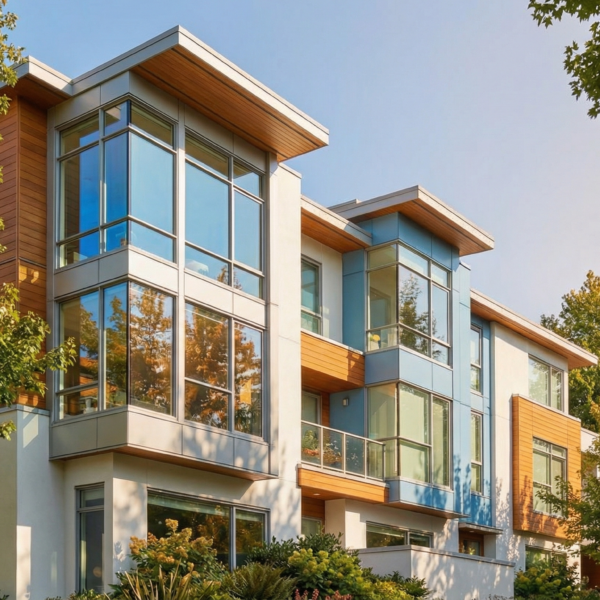
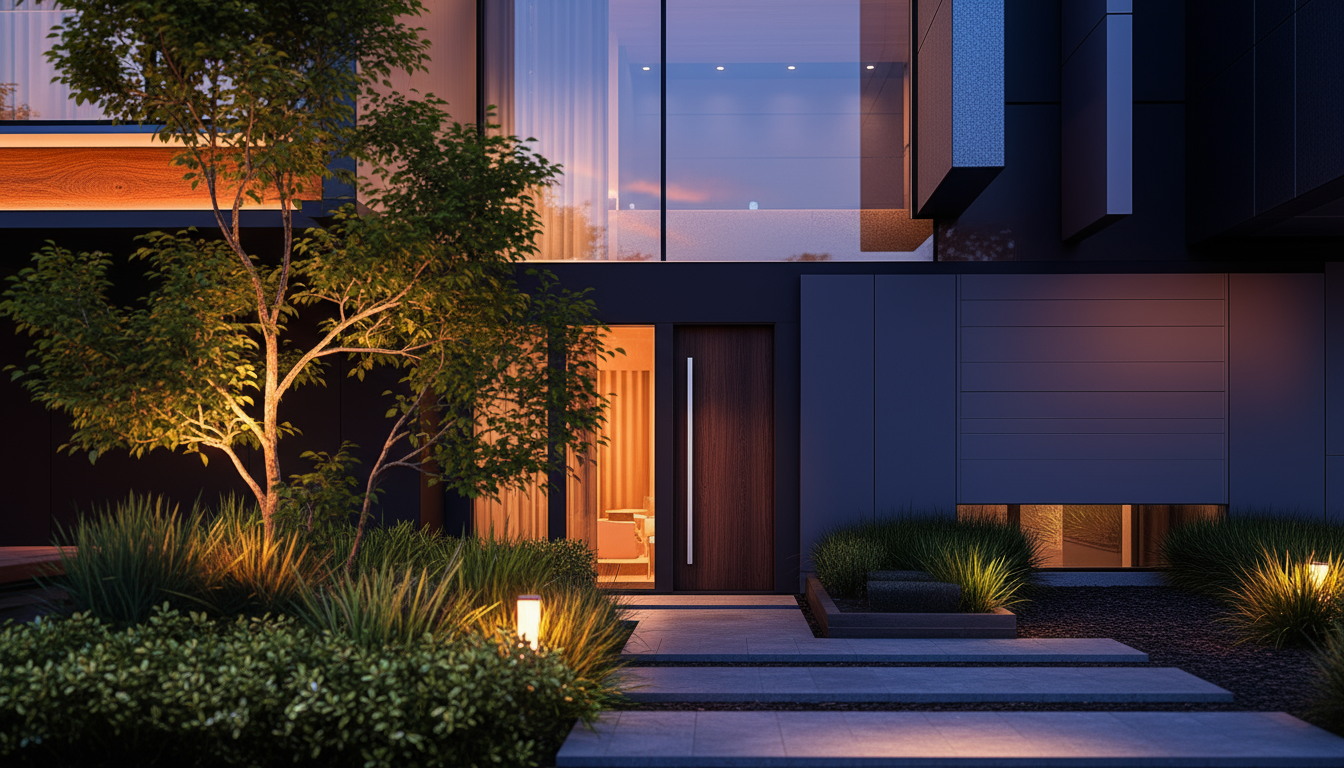
It is within this transient magic that we embark on The Blue Hour Drift, a cinematic architectural walkthrough designed not as a series of rooms, but as a continuous, flowing experience through a row of modern townhomes.
Here, space is not merely viewed; it is felt, guiding the occupant on a seamless journey from function to tranquility, from shared life to private solace.
Forget the static open plan. The future of home isn’t about space. It’s about sequence. Welcome to The Blue Hour Drift, a choreographed journey for the resident, engineered to flow with the fading light. This is architecture not as a snapshot, but as a feature film where you are the protagonist. Let’s walk the script.
Act I: The Functional Overture
We open on the laundry room. Not a hiding place, but a prologue. Dark blue cabinets hold light like a secret. Towels tumble in a dryer, a cinematic flash of color in a monochrome scene. The washer door swings open on cue. This is where the narrative begins, with the quiet, elegant mechanics of life. Pay attention. The house is establishing its rhythm.
Act II: The Sanctuaries
The plot thickens in the master bath. The camera, your proxy, orbits the tub with intention. The faucet turns. Water falls. This isn’t just a bath being drawn. It’s a ritual being initiated. Steam becomes a character, softening light and logic.
Next scene. The secondary bath. The rain shower activates, a gentle storm in a glass box. We zoom into the sink to watch water spiral into a marble basin. Bubbles form like thoughts. The house is teaching you how to see. How to transition. It is washing the day away, literally and cinematically.
Act III: The Connective Tissue
Every good story needs a corridor. Our transitional gallery is a pivot point. Daylight performs its final act on white walls. A potted plant sways in the silent draft of your movement. The focus pulls to art as the floor lights glow beneath your feet. The architecture is quite literally setting the stage, and dimming the lights, for what comes next.
Act IV: The Chambers of Reset
The double bedroom is a study in quiet power. The camera glides past twin beds. A lamp comes into focus. On this signal, the room obeys. Lights dim. Curtains close. The space is programming itself for sleep. You are not arranging your environment. It is arranging itself for you. This is domestic intelligence, rendered with silent grace.
Act V: The Core
Then, we dive. The meditation space is the film’s spellbinding dream sequence. An anamorphic lens stretches the reality. The camera drifts like a deep breath past wet stone and beaded leaves. It finds a black mirror pool and does the impossible. It dissolves through the surface without a cut.
Submerged, we enter a macro universe. Light becomes liquid gold, warping over river stones. The sound is a heartbeat and a single water drop. This is the house’s emotional core. Its secret engine room. You don’t just enter this space. You are dissolved into it.
Act VI: The Evening’s Algorithm
The house reconfigures for evening. The wine room’s lights shift to burgundy as doors slide open. An algorithm of ambiance. The dining room table sets itself in a silent orbit of chairs and china. The kitchen’s refrigerator door opens on your approach, a reveal of plenty.
In the main bedroom, bedding cascades in a silent wave. A silver ball rolls a perfect path across the floor, a kinetic sculpture of cause and effect. The room is not just ready. It is in a state of poetic motion.
Act VII: The Denouement
The reading room provides the final, quiet twist. The glass wall opens to the evening. A pendant light sways, casting moving shadows. Then, it steadies. Its light deepens from white to a profound, dramatic crimson, saturating every book spine before fading to black. A visual exhalation. A curtain call within a curtain call.
Final Scene: The Grand Filter
We end in the living room, the command deck. The camera advances toward the cityscape as daylight performs its last trick, cooling into the iconic blue hour. The city lights ignite. And then, the house makes its final, decisive move.
Sleek white shades descend like a silent guillotine on the day. They erase the glittering metropolis, cutting the connection. Thud.
The outside world is gone. The Drift is complete.
This is the vision. A home that isn’t a backdrop for your life, but a director of your daily narrative. It uses light, material, and sequenced revelation to guide you from utility to tranquility. The Blue Hour Drift doesn’t just house you. It stages your life. And the critic in me has to admit, the production design is flawless.